Global Forest Watch is Now Global Nature Watch
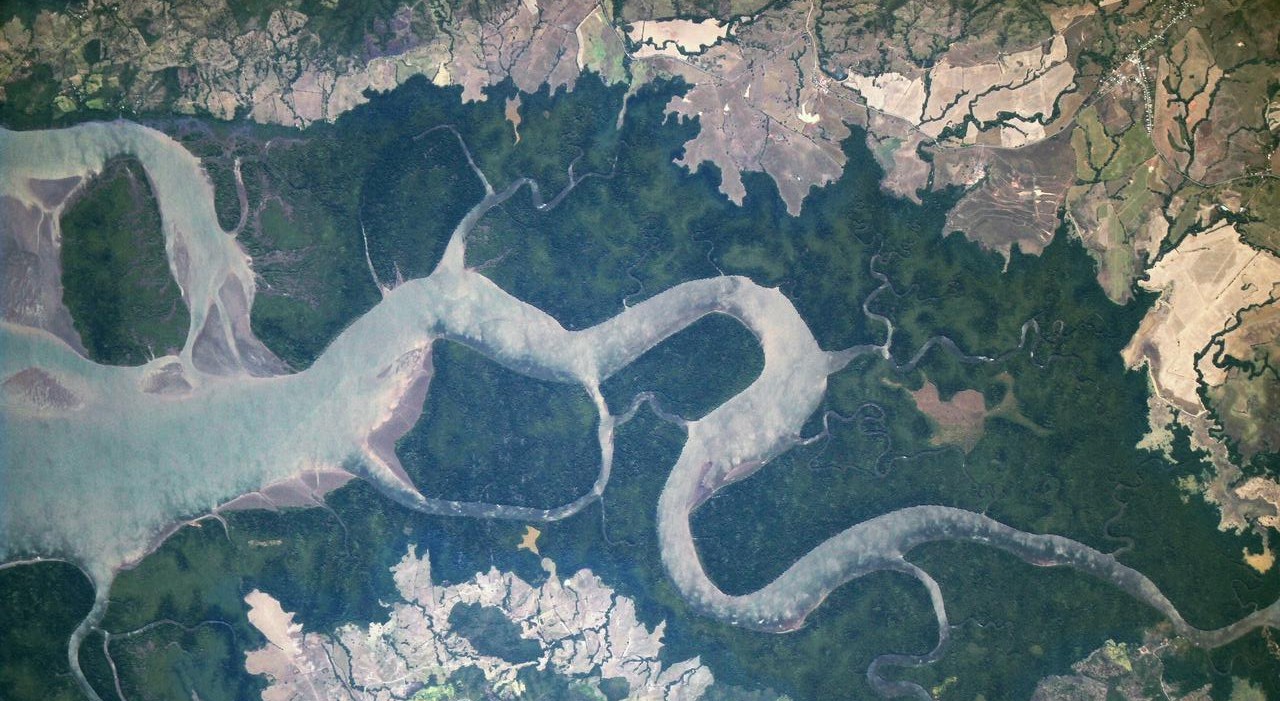
Ecological transition zone of the Rio San Pablo, Panama. Credit: NASA
This blog was originally published on July 1, 2026, and will continue to be updated as we have new details to share.
We are excited to announce that Global Forest Watch is now Global Nature Watch.
This new name reflects the next evolution of our work: Advancing forest monitoring while expanding our data, tools and insights to a broader range of landscapes, including grasslands, agricultural lands, trees outside of forests and more. By building a greater understanding of these critical ecosystems, we aim to create a more complete picture of Earth’s changing landscapes.
Advances in AI, satellite science and geospatial technologies are also creating new opportunities to make environmental information more accessible and actionable for people working to protect, restore and sustainably manage land. Under Global Nature Watch, we will help bring these innovations together to drive the next generation of forest and nature monitoring — with much of this work already taking shape through Global Nature Watch Horizon, the new name for Global Nature Watch’s innovative AI-driven platform in preview.
Our vision is ambitious: To help anyone working to protect, restore or sustainably manage forests and other key landscapes make informed decisions based on the latest environmental intelligence, regardless of language or technical expertise.
Global Forest Watch is why we’re here today. Global Nature Watch is our path forward.
What does this mean for Global Forest Watch users?
Although our name has changed, our commitment remains the same: To provide open access to the best available data and tools to help people everywhere protect and restore nature, strengthen livelihoods and address climate change. Forests remain central to our mission and foundational to the future of Global Nature Watch.
As Global Nature Watch expands data and coverage beyond forests, users will be able to monitor interconnected landscapes, helping improve understanding of the drivers of forest change, identify emerging threats and make more informed management decisions. For those working in mixed landscapes, this broader perspective provides valuable context for understanding forest health and resilience.
Right now, nothing is changing for users except the name. Our users will continue to have access to the data, tools and workflows they currently rely on now that Global Forest Watch is Global Nature Watch.
Specifically:
- Saved areas of interest in myGNW (formerly myGFW) will remain available.
- Subscriptions and alert notifications will continue uninterrupted.
- Existing monitoring workflows, including syncing with Forest Watcher, will remain in place.
- Saved links and bookmarks will still work.
Over time you will see a new look and improved user experience that reflects the continued evolution of our capabilities and coverage. You can explore what’s in development on Global Nature Watch Horizon, where your feedback is incredibly important.
Where do I go for what?
As part of this evolution, Global Nature Watch will gradually consolidate some of our tools over time — starting with GFW Pro. But we continue to offer and support other tools, each built for a distinct purpose:
We are grateful to our community who has helped shape this work over the past decade, and we look forward to building the future of Global Nature Watch together. Our user community will continue to play an important role as new capabilities and tools evolve. We look forward to sharing more about what’s next for Global Nature Watch.
Join our mailing list to receive regular updates throughout this journey. If you have any questions, please contact us by submitting this form.